


Frequently Asked Questions
All you need to know about the Wrap-a-buck Carcass Bag
Please click on a question to expand its answer
A: When the meat is covered, it is covered in three layers of woven material making it impossible for dust to penetrate
A: The recommended carry-weight is 150kg – making it possible for the carriers to carry. The bag lends itself to heavier weight, especially whilst in the veld with all excessive insides, horns, head etc make up the additional weight
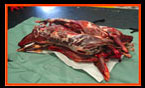
A: We use a disposable paper cloth that absorbs the blood simultaneously keeping the carcass dry and the vehicle clean
A: The blood is too thick to penetrate the woven material of the bag and because of the smooth texture of the bag the blood can not stick to it – so hosing it with water is easy and efficient – just leave it to dry afterwards
A: The bag has adjustable buckles that varies in height and width to take on the shape of its content of 150 kgs… from three to four Blesbuck, a Kudu and Impala or 6 Springbucks
A: No, the paper side – so that the blood can be absorbed and so that the blood does not leak out
A: Several Hours, depends on the weather conditions.
A: 3.5m in length and 2m wide
No. It is too heavy to carry
A: There is a law that states, that you are not allowed to handle carcasses with hide in a meat processing enviroment.
A: You can get liners from you nearest supplier (all the suppliers are listed on the map)
A: The carcass lies in its own blood, bacteria breeds favourably in liquid – the blood that leaks is in contact with the vehicle’s surface, hence contaminated meat.
A: Use it as a stretcher, you are able to string poles through the handles to make it possible for six to seven people to carry it
A: Use two bags, open the first one and line the vehicle or trailer with it. Inter leaf the liners between the stacked carcasses. Cover all the content with the other bag and clip then all together. It stays protected from dust, heat and flies
Can my mother-in-law fit in your bag?